
I’ve noticed that when a new patient comes to me, they’ll often tell me they haven’t felt like reading a book for a long time. Pain can have a seriously detrimental effect on concentration and focus, making it hard to get truly absorbed in reading.
Many of you will have reintroduced yourselves to the joy of reading during your healing process, whether that means listening to audio books, turning the pages of a paperback or reading on an electronic device. You’ll have come to appreciate how important reading is not just for stimulating the imagination but also boosting concentration and reducing stress. There are so many ways in which reading or listening can enrich and improve our lives.
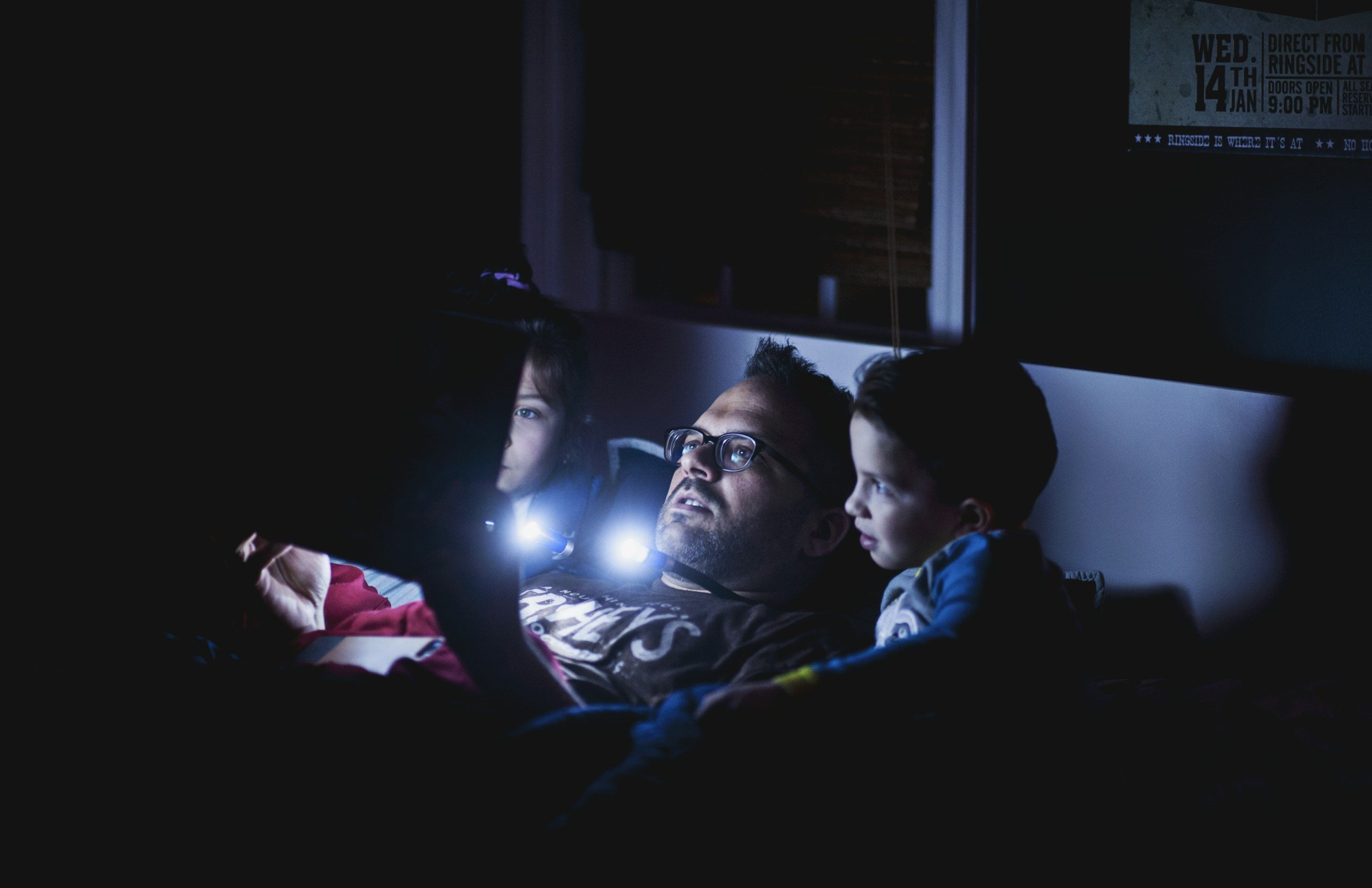
I was reflecting on this just the other day while thinking back to when I first met my husband. At the time were both working for a company that ran holidays for children and had worked our way up to becoming directors, overseeing the entire holiday. We met on a training course and bonded over our shared enthusiasm for these holidays, which gave many children the opportunity to experience a world different from the one they were used to. Some were clearly well cared for emotionally, even if their practical needs were barely met. In general, this group were used to reading or listening to stories, and might belong to a library. Among them, I particularly remember on one of the first holidays I worked on a pair of twin girls with an infectious enthusiasm for reading. The children and the young people caring for them were assigned teams that stayed together throughout the holiday. I slept in the same dormitory as my team, eight girls aged around 10, and at night we’d lie on the carpet and snuggle under duvets as I read them a bedtime story. I’d always loved having stories read to me when I was a child and I wanted these children to have the same experience.
The majority, though, had never been read to. Most of these children were used to putting themselves to bed and often went hungry, as there wasn’t an adult around to attend to their needs. Through my work now, I realise that they were hypervigilant. They had to be on high alert as their normal daily life was about survival. In some cases, their parents or carers were only too pleased to send them on a holiday, but the children were often scared or afraid of being away from home. Many displayed attention-deficit traits and were nonplussed at the idea of mealtimes where everyone was expected to sit around a table together, eating with cutlery, three times a day. At first, they’d grab at the food as it was put on the table in bowls ready to be shared out. It took a few sittings for them to trust that they’d get their fair share, and more if they wished. It was gratifying to see how quickly these children adapted and how they began to enjoy the regular supply of hot food. There’s no doubt that the absence of hunger played its part in helping them to settle down. With lots of consistent kindness, active games, crafts, singing and adventures, they were tired by the end of the day, too.
This may also have helped with my bedtime story-telling sessions. For the first couple of nights there was a lot of restlessness and wriggling, but the twins helped to ensure that everyone was invested in the story. Gradually, all the girls got used to this quiet time and seemed to look forward to our cosy evening routine. They were hooked, thanks particularly to the twins’ enthusiasm. They had been raised by their single mother, who wrote to me some months later. She thanked me for giving her girls a wonderful holiday which they’d continued to chatter about non-stop since they got home. I wrote back immediately to say how grateful I was to them, and how much their love of books had helped me. What books have you read lately and what might you like to read next?